Moody: A Font That Embodies Fun, Quirkiness, and Authenticity
When it comes to choosing a font for creative projects, the right choice can make all the difference. Moody stands out as a decorative font that brings a unique blend of fun, quirkiness, and authenticity to any design. Whether you're working on branding, digital content, or print materials, Moody offers a distinctive visual appeal that sets your ideas apart from the crowd.
What Is Moody?
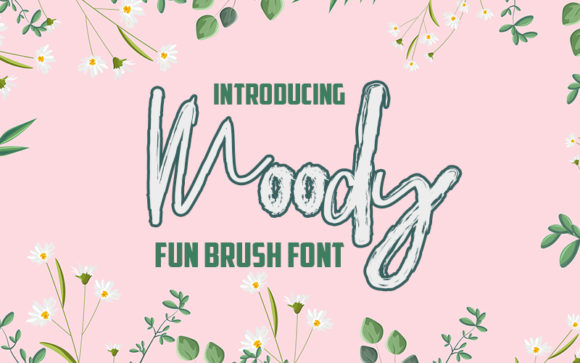
Moody is a decorative typeface known for its playful and expressive character. It combines elements of whimsy with a sense of authenticity, making it suitable for a wide range of applications. The font's design includes irregular shapes, varying stroke widths, and a hand-drawn feel that gives it an organic, almost artistic quality.
This font is particularly well-suited for projects that require a touch of personality. Its unique style can be used in everything from social media posts and logos to invitations and packaging designs. What makes Moody truly special is its ability to convey emotion through typography, allowing designers to express creativity in a way that feels genuine and engaging.
Why Choose Moody Over Other Fonts?
In the world of typography, there are countless options available. However, Moody has several distinct features that set it apart from other decorative fonts. Unlike more traditional or formal typefaces, Moody embraces imperfection and variation, which can be both a strength and a consideration depending on the project at hand.
One of the key advantages of using Moody is its versatility. While some decorative fonts may appear too stylized or difficult to read, Moody maintains a balance between visual interest and legibility. This makes it ideal for use in headlines, titles, and other short-form text where impact is important but clarity is still necessary.
Compared to other quirky or hand-drawn fonts, Moody offers a more refined look while still retaining its playful nature. It avoids the overly chaotic appearance that can sometimes come with similar typefaces, making it easier to integrate into various design contexts without overwhelming the viewer.
Strengths of Moody
- Expressive Design: Moody's hand-drawn aesthetic allows for a high degree of emotional expression, making it perfect for brands or projects that want to convey a sense of individuality.
- Versatile Use: From web design to print media, Moody can be adapted to fit a variety of formats and platforms.
- Unique Visual Identity: With its distinctive character, Moody helps create a strong visual identity that can differentiate a brand from its competitors.
Potential Limitations
While Moody has many strengths, it's important to consider when it might not be the best choice. For instance, if a project requires a highly professional or formal tone, Moody's playful nature could be seen as inappropriate. Similarly, in cases where large blocks of text need to be displayed, Moody may not be the most readable option due to its decorative style.
Designers should also be mindful of how Moody interacts with other design elements. Because of its unique characteristics, it may not always pair well with every color scheme or layout. Careful consideration should be given to ensuring that Moody complements rather than competes with other visual components of the design.
When Is Moody the Right Choice?
Moody shines in situations where a creative and expressive approach is desired. It works particularly well for:
- Brand Identity: Moody can help establish a brand's personality, especially for businesses that want to appear more casual, friendly, or unconventional.
- Creative Projects: From art exhibitions to music festivals, Moody adds a dynamic element that enhances the overall experience.
- Marketing Materials: Posters, flyers, and promotional content benefit from Moody's eye-catching style, making them more memorable to audiences.
However, if the goal is to communicate information clearly and efficiently, a more standard sans-serif or serif font may be more appropriate. Moody should be used strategically, typically in smaller doses or as an accent rather than the primary typeface.
Comparing Moody to Similar Fonts
When evaluating Moody, it's helpful to compare it to other decorative fonts to understand how it fits into the broader landscape of typography. Fonts like Brush Script or Great Vibes share some similarities with Moody in terms of their handwritten appearance. However, Moody distinguishes itself by offering a more balanced and refined look that doesn't sacrifice readability for style.
Another point of comparison is with more modern, minimalist fonts such as Helvetica Neue or Open Sans. These fonts prioritize clarity and simplicity, which can be advantageous for long-form text or professional settings. In contrast, Moody's focus on expression and individuality makes it better suited for shorter, impactful messages.
Ultimately, the choice between Moody and other fonts depends on the specific needs of the project. By understanding the strengths and limitations of each option, designers can make more informed decisions about which font will best serve their goals.
Practical Applications of Moody
Let's explore some real-world examples of how Moody can be effectively used in different contexts:
1. Social Media Content: Moody's playful nature makes it an excellent choice for social media posts, especially those targeting younger audiences or niche communities. Its unique style helps capture attention and encourages engagement.
2. Event Invitations: Whether it's a wedding, birthday party, or corporate event, Moody can add a personal touch to invitations. Its hand-drawn feel gives the impression of something crafted with care and attention to detail.
3. Packaging Design: Brands looking to stand out on store shelves can use Moody to create visually striking packaging. Its distinctive look can help products catch the eye and leave a lasting impression.
4. Digital Art and Illustration: Moody is often used in digital art projects where a more artistic or whimsical approach is desired. It can enhance the visual storytelling aspect of illustrations and animations.
Final Thoughts on Choosing Moody
Moody is a font that embodies fun, quirkiness, and authenticity, making it a compelling choice for designers who want to add personality to their work. Its expressive design and versatile application allow it to be used across a wide range of creative fields. However, it's important to recognize that Moody may not be the best fit for every project.
By considering factors such as the intended audience, the message being conveyed, and the overall design context, designers can determine whether Moody is the right choice for their needs. When used appropriately, Moody can elevate a design and bring a unique voice to any creative endeavor.