Medical Symbols: Understanding Their Importance and Practical Applications
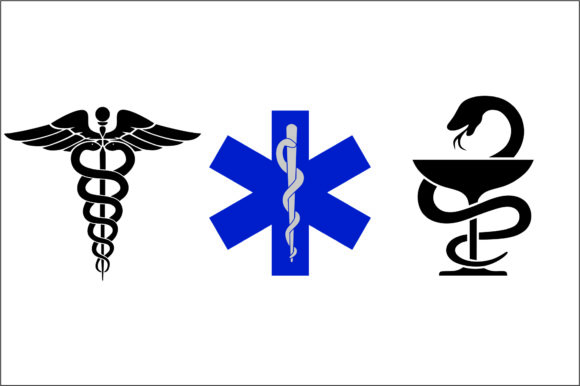
Medical symbols play a crucial role in the healthcare industry, serving as visual representations of medical concepts, procedures, and equipment. These symbols are not only used for identification but also for communication across different languages and cultures. Whether you're a healthcare professional, a designer, or someone involved in manufacturing, understanding and utilizing medical symbols can significantly enhance clarity and efficiency in your work.
One of the primary challenges in the medical field is ensuring that information is conveyed accurately and quickly. This is especially important in emergency situations where time is of the essence. Medical symbols help overcome this challenge by providing a universal language that can be understood instantly, regardless of the individual's background or language proficiency.
If you're looking to incorporate medical symbols into your projects, you'll find that there are various file formats available to suit different needs. For instance, you may have access to three .dxf, three .svg, three .png, and three .eps files. These formats are ideal for use in a wide range of applications, from digital design to physical production.
The versatility of these files makes them suitable for cutting on plotters such as Cricut, as well as for CNC metalworking and woodworking machines. This means that whether you're creating signage, educational materials, or custom products, you can easily adapt the designs to fit your specific requirements.
One of the key benefits of having access to these different file types is the ability to scale and modify the designs as needed. The product comes with a free size option, allowing you to adjust dimensions without any restrictions. This flexibility is particularly useful when working on projects that require precise measurements or when experimenting with different layouts.
For those who are new to working with medical symbols, it's important to understand how they can be applied in practical scenarios. In healthcare settings, symbols are often used to label medication containers, indicate emergency exits, or denote specific procedures. By using standardized symbols, hospitals and clinics can reduce the risk of errors and improve patient safety.
Designers and manufacturers can also benefit from incorporating medical symbols into their work. For example, when creating instructional manuals or training materials, using clear and recognizable symbols can help users grasp complex concepts more quickly. Additionally, in the development of medical devices, symbols can be used to guide users through setup and operation processes.
When choosing which file format to use, consider the intended application. .svg files are great for digital use, such as websites or presentations, while .dxf and .eps files are commonly used in vector-based printing and engraving. .png files, on the other hand, are ideal for high-quality raster images that need to be displayed on screens or printed at high resolution.
Another consideration is the compatibility of the files with your chosen cutting or engraving machine. If you're using a Cricut plotter, for instance, you'll want to ensure that the files are formatted correctly to avoid any issues during the cutting process. Similarly, if you're working with CNC machines, it's essential to verify that the file type is supported and that the design is scaled appropriately for the material being used.
For individuals who are not familiar with the technical aspects of file formats, it's helpful to start with simple projects and gradually move to more complex ones. Experimenting with different symbols and formats can provide valuable insights into what works best for your specific needs. You might also find it beneficial to consult with professionals in the field to gain a better understanding of best practices and common pitfalls.
In addition to their practical applications, medical symbols can also be used creatively. Artists and educators, for example, may incorporate these symbols into their work to convey messages about health and wellness. By doing so, they can raise awareness and promote positive behaviors related to personal health.
Ultimately, the key to successfully using medical symbols lies in understanding their purpose and how they can be applied in real-world situations. Whether you're designing materials for a hospital, creating educational resources, or producing custom items, taking the time to learn about these symbols will help you make informed decisions and achieve better outcomes.
By leveraging the availability of multiple file formats and the flexibility of adjustable sizes, you can explore a wide range of possibilities and bring your ideas to life. As you continue to work with medical symbols, you'll likely discover new ways to use them that align with your goals and contribute to improved communication and understanding in the healthcare field.