Heart: A Playful Dingbat Font for Creative Projects
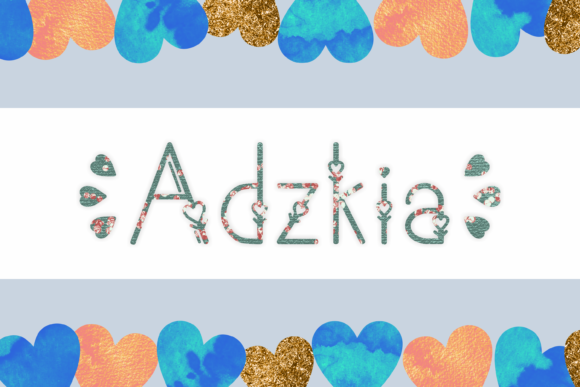
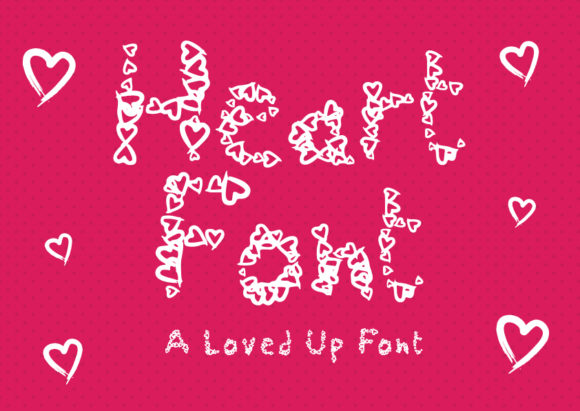
The Heart dingbat font is a charming, childlike typeface that brings warmth and whimsy to any design. With its soft curves and playful style, it's perfect for adding a touch of personality to projects that need a little extra love. Whether you're designing materials for children, creating school supplies, or looking to inject some fun into your branding, Heart offers a unique way to make your work stand out.
This font is more than just decorative—it’s a tool that can enhance the visual appeal of your work while aligning with your creative goals. Its simplicity and versatility make it easy to integrate into various workflows without disrupting the overall design.
Understanding the Heart Font
The Heart font is a collection of stylized symbols, primarily focused on heart shapes and related imagery. Unlike traditional alphabets, this font uses icons and pictograms to convey messages in a visually engaging way. It’s ideal for projects that benefit from a more illustrative or symbolic approach rather than conventional text.
Its use is not limited to digital media. You can incorporate it into print materials such as invitations, educational tools, greeting cards, or even signage. The font’s clean lines and recognizable symbols ensure that it remains legible even when used at smaller sizes or in different color schemes.
Why Use Heart in Your Workflow?
Using the Heart font can be an effective way to add emotional resonance to your work. It helps create a sense of connection with your audience by using familiar and universally understood symbols. This makes it especially useful in contexts where communication needs to be simple, friendly, and accessible.
For educators, this font can be a great addition to classroom materials, helping to make learning more engaging for young students. For marketers, it can be used to create eye-catching visuals that resonate with families and children’s products. Even in professional settings, it can be used sparingly to add a human touch to otherwise formal designs.
Integrating Heart Into Your Design Process
When working on a project, consider how Heart can fit into your design process. Here are a few ways to think about incorporating it:
- Pre-Design Phase: When brainstorming ideas, sketch out concepts that include the Heart font. This can help you visualize how the font will look within your final design before moving forward with actual production.
- During Design: Use the font to highlight key elements, such as titles, headers, or important messages. It works well for headings or call-out sections where you want to draw attention without overwhelming the reader.
- Post-Design Review: After completing your design, review how the Heart font contributes to the overall message. Ensure that it enhances rather than distracts from the content it supports.
Compatibility and Usability
The Heart font is compatible with most design software, including Adobe Illustrator, Photoshop, Canva, and other graphic design platforms. It can also be used in web design, either through downloadable font files or online font libraries.
Before using the font, check its licensing agreement to ensure that it’s appropriate for your intended use. Some fonts may require attribution or have restrictions on commercial use, so always read the terms carefully.
Practical Implementation Tips
To get the most out of the Heart font, follow these practical tips:
- Use Sparingly: While the font is cute and eye-catching, overusing it can make your design feel cluttered. Reserve it for specific areas like titles or accents.
- Pair with Other Fonts: Combine Heart with a more traditional sans-serif or serif font for a balanced look. This helps maintain readability while still adding a playful element.
- Experiment with Color: Try using the font in different colors to match your project’s theme. Bright, pastel shades often work well with the font’s cheerful style.
- Consider Scalability: Make sure the font remains clear and legible at different sizes. Test it in both large and small formats to ensure consistency across all media.
Workflow Integration Examples
Here are a few examples of how Heart can be integrated into real-world workflows:
- Educational Materials: Teachers can use the font to create flashcards, worksheets, or interactive games that help children learn through play.
- Marketing Campaigns: Marketers targeting family audiences can use the font in promotional materials, such as social media posts, flyers, or packaging, to evoke a sense of joy and familiarity.
- Personal Projects: Artists or hobbyists can use the font in scrapbooking, birthday cards, or DIY crafts to add a personal and heartfelt touch.
Long-Term Use and Quality Control
When using Heart regularly, it’s important to maintain consistency in your design choices. Create a style guide that outlines how the font should be used across different projects. This ensures that your brand or message remains cohesive over time.
Additionally, keep track of updates or new versions of the font that may be released. Sometimes, designers update fonts to improve their performance or expand their character set. Staying current with these changes can help you continue using the font effectively in the long run.
Final Thoughts
The Heart font is a versatile and expressive tool that can bring a unique charm to your creative work. Whether you’re designing for children, crafting marketing materials, or simply looking to add a personal touch to your projects, this font has the potential to elevate your designs in meaningful ways.
By understanding how to integrate it into your workflow, you can ensure that it enhances your work without overshadowing the core message. As you experiment with different applications, you’ll find that the font becomes a valuable part of your creative toolkit—one that adds warmth, playfulness, and personality to everything you create.