Egyptian Outline: A Unique Font Inspired by Ancient Hieroglyphics
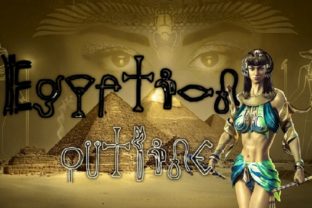
Egyptian Outline is a decorative font that draws its visual inspiration from the intricate and symbolic script of Ancient Egyptian hieroglyphics. Designed to evoke the aesthetic of ancient inscriptions found on temple walls, tomb ceilings, and papyrus scrolls, this font offers a distinctive look that can transform any design project with a touch of historical authenticity.
What Makes Egyptian Outline Distinct?
The defining feature of Egyptian Outline is its stylized, geometric form, which mimics the angular shapes and linear strokes of traditional hieroglyphs. Unlike more conventional serif or sans-serif fonts, it features bold outlines and minimal internal detail, giving it a clean yet evocative appearance. This makes it particularly effective for headlines, logos, and other design elements where visual impact is key.
One of the most notable aspects of Egyptian Outline is its ability to convey a sense of timelessness and cultural richness. It's not merely an imitation of ancient writing but a modern interpretation that retains the essence of the original style. This balance between tradition and contemporary design ensures that Egyptian Outline remains versatile and relevant across various applications.
Comparing Egyptian Outline with Similar Fonts
When considering alternatives to Egyptian Outline, it's important to evaluate how different fonts serve similar purposes. For instance, other hieroglyphic-inspired fonts such as Egyptian Hieroglyphics or Pharaoh's Script offer comparable aesthetics but may differ in terms of legibility, scalability, and stylistic variation.
Egyptian Hieroglyphics, for example, tends to be more detailed and closely resembles actual ancient inscriptions, making it ideal for projects requiring high fidelity to historical accuracy. However, this level of detail can sometimes compromise readability at smaller sizes. In contrast, Egyptian Outline maintains clarity even when scaled down, making it a better choice for digital interfaces and printed materials that require consistent legibility.
Pharaoh's Script is another alternative that emphasizes ornate, flowing lines, which can be visually striking but may not suit all design contexts. Egyptian Outline strikes a middle ground by combining the elegance of hieroglyphic forms with the practicality of a streamlined design.
Strengths of Egyptian Outline
- High Visual Impact: The bold, outlined characters make Egyptian Outline stand out, especially in headlines or branding elements.
- Cultural Authenticity: Its design roots in ancient Egypt give it a unique historical resonance that few other fonts can match.
- Versatility: While primarily a decorative font, Egyptian Outline is also readable enough for use in body text when paired with complementary fonts.
- Modern Adaptability: Despite its ancient inspiration, the font has been optimized for digital use, ensuring compatibility with web and print formats.
Potential Limitations
While Egyptian Outline excels in certain areas, it's not without its tradeoffs. One limitation is that its stylized design may not be suitable for all types of content. For instance, it might be less appropriate for long-form text where readability is paramount. In such cases, pairing it with a more traditional serif or sans-serif font could enhance both aesthetics and functionality.
Additionally, because of its strong visual identity, Egyptian Outline may not blend seamlessly with every design theme. It works best in projects that benefit from a bold, distinctive look—such as themed websites, branding for historical institutions, or creative media like book covers and posters.
Best-Fit Situations for Egyptian Outline
Egyptian Outline is particularly well-suited for projects that seek to evoke a sense of mystery, adventure, or historical intrigue. Here are some realistic examples of where this font shines:
- Themed Websites: If you're designing a website related to archaeology, mythology, or ancient history, Egyptian Outline can add an authentic and engaging visual element.
- Branding for Cultural Institutions: Museums, historical societies, or tour operators may find this font useful for creating logos, signage, or promotional materials that reflect their heritage.
- Book Covers and Posters: Its dramatic and eye-catching nature makes it ideal for titles of books, documentaries, or exhibitions centered around ancient civilizations.
- Digital Media Projects: Video game developers, filmmakers, or content creators working on fantasy or historical themes may incorporate Egyptian Outline into title cards, menus, or UI elements.
However, if your project requires a more neutral or professional tone, Egyptian Outline may not be the best fit. In these instances, opting for a simpler, more widely recognized font could be more effective.
Decision Factors When Choosing Egyptian Outline
Before deciding whether to use Egyptian Outline, consider several key factors that will influence its suitability for your project:
- Project Purpose: Is your goal to create a visually striking design, or do you need a font that prioritizes readability and accessibility?
- Audience Expectations: Will your audience appreciate the historical flair of the font, or might it feel too niche or distracting?
- Design Context: How does the font interact with other visual elements, such as color schemes, images, and layout structures?
- Technical Requirements: Does the font support the languages and character sets needed for your content? Are there any licensing or compatibility issues to be aware of?
By carefully evaluating these factors, you can determine whether Egyptian Outline aligns with your needs or if another option would be more appropriate.
Conclusion
Egyptian Outline is a compelling choice for designers seeking to infuse their work with a unique, culturally rich aesthetic. Its blend of historical inspiration and modern usability makes it a valuable addition to any designer's toolkit. Whether you're crafting a logo, developing a website, or producing creative media, this font offers a distinctive way to communicate your message with visual flair.
Ultimately, the decision to use Egyptian Outline should be based on a thoughtful assessment of your project's goals, audience, and design requirements. By weighing its strengths against potential limitations, you can make an informed choice that enhances both the function and form of your design.