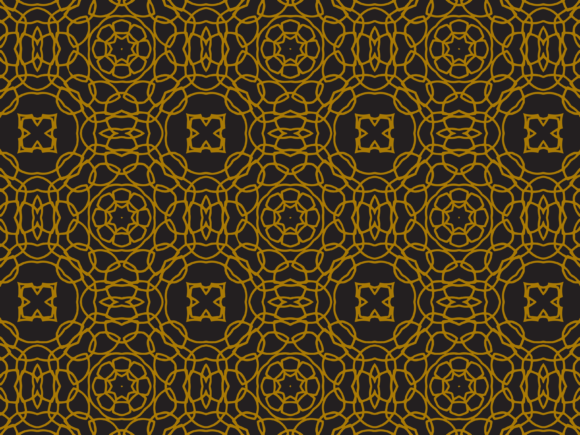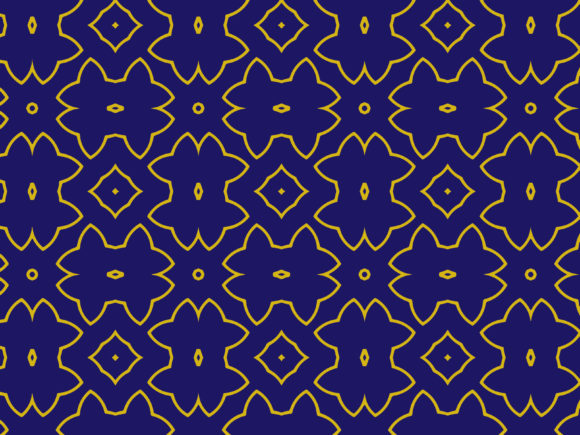
Decor Pattern Islamic Illustration: A Timeless Blend of Art and Culture
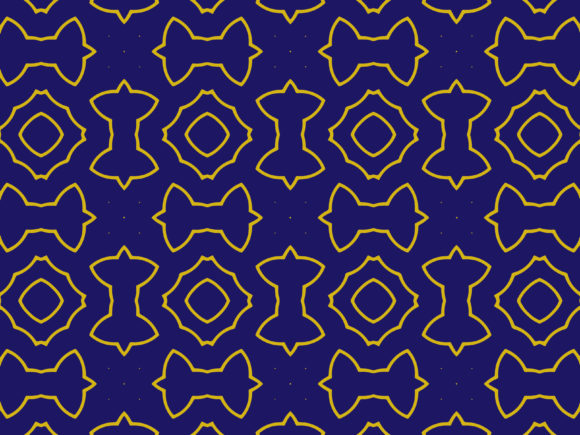
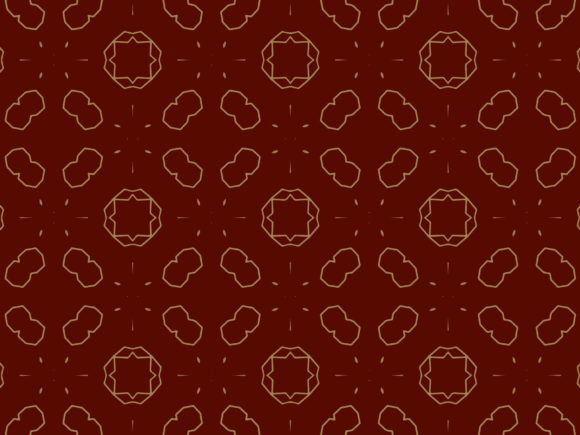
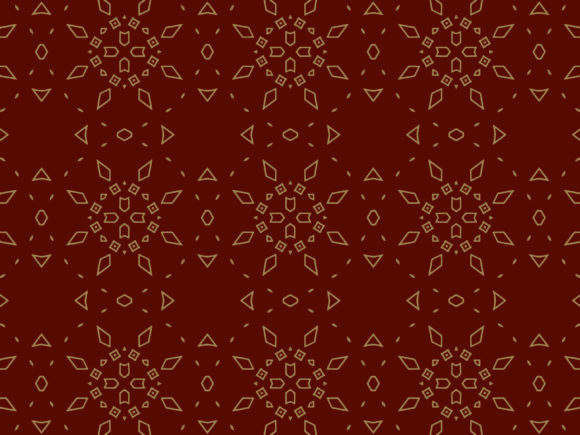
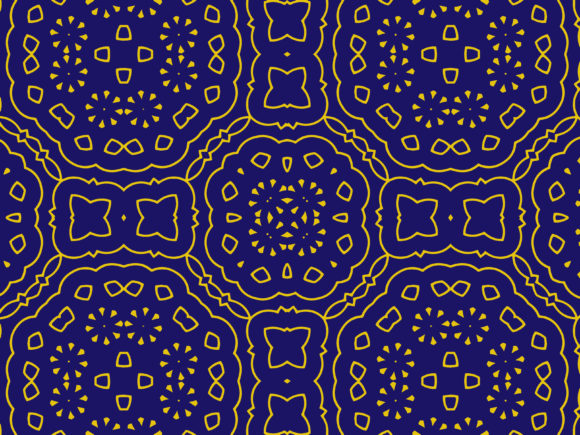
Decor Pattern Islamic Illustration is more than just a design choice—it's a celebration of centuries-old artistry that continues to inspire modern aesthetics. This intricate style, rooted in Islamic culture, combines symmetry, geometry, and elegance into visually stunning patterns suitable for backgrounds, wallpapers, decor, and more. Whether you're designing a website, creating home décor, or developing branding materials, these patterns offer a rich visual language that resonates across cultures and time periods.
The Evolution of Islamic Decor Patterns
The origins of Islamic decorative patterns can be traced back to the early days of Islamic civilization, where they were used in architecture, textiles, and manuscripts. These designs often featured complex geometric shapes, floral motifs, and calligraphy, reflecting the deep spiritual and cultural significance of Islamic art. Over time, these patterns evolved, adapting to new artistic movements while retaining their core principles of balance and repetition.
Today, Decor Pattern Islamic Illustration has found a new life in digital media. Designers and artists are leveraging this ancient aesthetic to create seamless, repeatable patterns that work perfectly as wallpaper, graphic elements, or decorative backdrops. The adaptability of these designs makes them ideal for both traditional and contemporary applications, from religious spaces like mosques to modern homes and businesses.
Why Decor Pattern Islamic Illustration Is Gaining Popularity
In an era where people seek authenticity and cultural richness in design, Decor Pattern Islamic Illustration stands out for its timeless appeal. It offers a unique blend of tradition and modernity, making it a popular choice among designers, marketers, and homeowners alike. The rise of global interest in Middle Eastern and North African cultures has also contributed to the growing demand for these patterns.
Moreover, with the increasing use of digital tools in creative workflows, generating and customizing Islamic-inspired patterns has become more accessible. Vector-based designs allow for easy scaling and modification, making them perfect for various uses—from small-scale projects like social media graphics to large-scale applications such as wall murals or textile prints.
Practical Applications of Islamic Decor Patterns
Decor Pattern Islamic Illustration is incredibly versatile and can be applied in numerous ways:
- Wallpaper and Backgrounds: These patterns are often used as seamless backgrounds for websites, mobile apps, and digital presentations. Their repeating nature ensures continuity without visible seams, making them ideal for digital interfaces.
- Home Decor: From cushions and rugs to tiles and furniture, Islamic patterns add a touch of sophistication and cultural depth to interior spaces. They are especially popular during special occasions like Eid or Ramadan, when homes are decorated with vibrant, symbolic motifs.
- Textile and Apparel Design: Many fashion brands incorporate Islamic geometric patterns into their collections, using them as accents on clothing, accessories, and fabric designs.
- Graphic Design and Branding: Businesses looking to convey a sense of elegance and heritage often use these patterns in logos, packaging, and marketing materials. They are particularly effective in industries related to travel, hospitality, and cultural experiences.
Whether used as a subtle background element or as a dominant feature, Islamic decor patterns bring a sense of harmony and refinement to any project.
Designing with Decor Pattern Islamic Illustration
Creating or selecting the right Islamic pattern requires an understanding of its underlying principles. Symmetry, repetition, and balance are key features of this style, and they contribute to the overall sense of order and beauty that defines Islamic art.
For those interested in incorporating these patterns into their work, there are several considerations to keep in mind:
- Choose the Right Style: There are many variations within Islamic design, including Moroccan mosaics, Arabian calligraphy, and geometric motifs. Selecting a style that aligns with your project’s theme and purpose is essential.
- Use High-Quality Assets: When sourcing or creating Islamic patterns, ensure that they are high-resolution and scalable. Vector formats like SVG are ideal for digital use, while PNG files are better suited for print applications.
- Balance and Contrast: While Islamic patterns are often intricate, it's important to maintain a balance between detail and clarity. Too much complexity can overwhelm the viewer, while too little may fail to capture the essence of the design.
- Experiment with Color: Traditional Islamic patterns often use muted tones, but modern interpretations can incorporate bold colors to suit different contexts. Consider how color affects the mood and message of your design.
By paying attention to these factors, designers can effectively use Decor Pattern Islamic Illustration to create visually compelling and culturally meaningful works.
Trends and Future Outlook
As global interest in diverse cultures continues to grow, so does the demand for authentic and meaningful design elements. Decor Pattern Islamic Illustration is well-positioned to remain relevant in the years to come, especially as more people seek to incorporate cultural and historical influences into their creative projects.
With advancements in AI and design software, the process of generating and customizing Islamic patterns is becoming more efficient. This opens up new possibilities for creators, allowing them to experiment with traditional motifs in innovative ways. Whether through digital illustration, 3D modeling, or augmented reality, the future of Islamic decor patterns is bright and full of potential.
As we move forward, the integration of Decor Pattern Islamic Illustration into modern design will continue to evolve, offering new opportunities for expression and connection. By embracing this rich artistic tradition, we not only honor the past but also shape the future of visual storytelling and cultural appreciation.